KS2 Maths tutors with dyscalculia experience
Start where numbers make sense to your child.
- Verified tutors
- Free 15-minute introduction
- Experienced with SEN
Verified tutors
ID + reference checked
Free 15-minute introduction
Meet your tutor and discuss your goals.
Experienced with SEN
Tutors who report experience supporting this need
KS2 Maths tutors experienced with dyscalculia
View all 10 KS2 Maths tutors with dyscalculia experience £40/hr
Rob G
Former Teacher | 15,000+ Hours of Maths Tuition & 18+ Years’ Experience
Next available: Tomorrow 10:00am
Contacted by 3 families this month
 £20/hr
Claire W
Qualified Teacher | Maths Tutor | 12+ Years Making Learning Enjoyable
 £40/hr
Gladys A
Economics Graduate & Multi-Subject Tutor | 7+ Years Helping Maths Students Succeed
 £30/hr
Nick R
Former Headteacher with SEND Expertise | Personalised Maths Support That Builds Confidence
 £70/hr
Arun D
Senior Mathematics Practitioner | Maths Tutor | Edexcel Examiner
 £44/hr
Charlotte A
Qualified Teacher | Maths Tutor | SEN Specialist with 33+ Years’ Experience
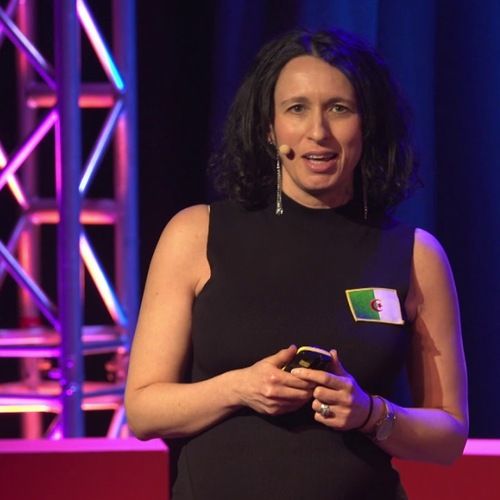 £50/hr
Samia T
Qualified Teacher | Maths Tutor | 22+ Years in Mathematics Education
 £50/hr
Michelle N
Former Headteacher | Expert Maths Tuition from an Examiner with 23+ Years’ Experience
Next available: Tomorrow 4:30pm
Contacted by 2 families this month
 £60/hr
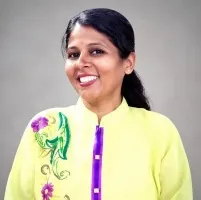
Vandana C
Teacher with 29 Years’ Experience | Inclusive Maths Lessons That Build Confidence
 £15/hr
Shantele M
Experienced Assessor | Maths Tutor | 11+ Years’ Experience
Next available: Tomorrow 9:00am
Supporting dyscalculia in KS2 Maths
Possible foundations to explore
| Idea | A practical starting point |
|---|---|
| Quantity | Compare two groups of objects and explain which has more. |
| Place value | Build a number with grouped objects and connect it to its written digits. |
| Addition and subtraction | Show a change in quantity before recording a calculation. |
| Fractions | Share equal groups or divide a shape into equal parts. |
Connect objects, pictures and symbols
One possible approach is to show an idea with objects, draw it and then record it in numbers. For example, your child could make equal groups, sketch them and connect them to a multiplication statement. A tutor should check the connection at each stage rather than assume that remembering the written method means the idea is secure.
Questions worth asking a tutor
How do you choose a starting point?
Ask how they would identify what your child understands without making the first lesson feel like a race.
How do you revisit an idea?
Discuss ways to practise in different contexts while keeping the underlying representation familiar.
How will we notice progress?
Look for clearer explanations, more independent choices and less uncertainty with a specific skill.
Frequently asked questions
Is every difficulty with Maths dyscalculia?
No. Maths difficulties have different explanations. Tutoring can support learning but should not be presented as a diagnostic assessment.
Will my child have to do timed drills?
Discuss this with the tutor. Speed need not be the starting point. Understanding a quantity or method may be a more useful immediate goal.
Are the tutors specially qualified?
Experience is self-reported and qualifications vary. Use the free 15-minute introduction to ask about training and their experience with primary-age learners.
Further reading
Ready to find your tutor?
Book a free 15-minute introduction — meet your tutor and discuss your goals.