KS3 Maths tutors with dyscalculia experience
Build a firmer bridge between number skills and secondary Maths.
- Verified tutors
- Free 15-minute introduction
- Experienced with SEN
Verified tutors
ID + reference checked
Free 15-minute introduction
Meet your tutor and discuss your goals.
Experienced with SEN
Tutors who report experience supporting this need
KS3 Maths tutors experienced with dyscalculia
View all 10 KS3 Maths tutors with dyscalculia experience £40/hr
Rob G
Former Teacher | 15,000+ Hours of Maths Tuition & 18+ Years’ Experience
Next available: Tomorrow 9:00am
Contacted by 3 families this month
 £40/hr
Gladys A
Economics Graduate & Multi-Subject Tutor | 7+ Years Helping Maths Students Succeed
 £30/hr
Nick R
Former Headteacher with SEND Expertise | Personalised Maths Support That Builds Confidence
 £70/hr
Arun D
Senior Mathematics Practitioner | Maths Tutor | Edexcel Examiner
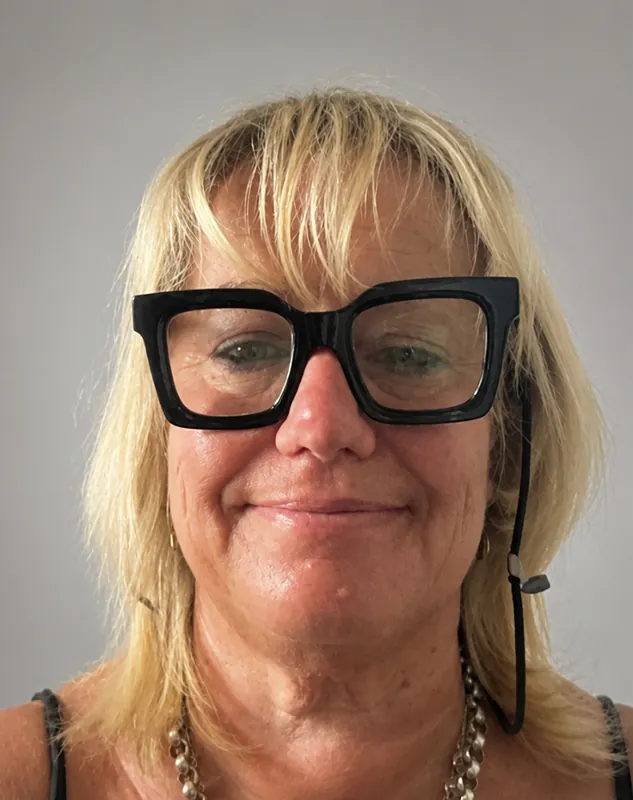 £44/hr
Charlotte A
Qualified Teacher | Maths Tutor | SEN Specialist with 33+ Years’ Experience
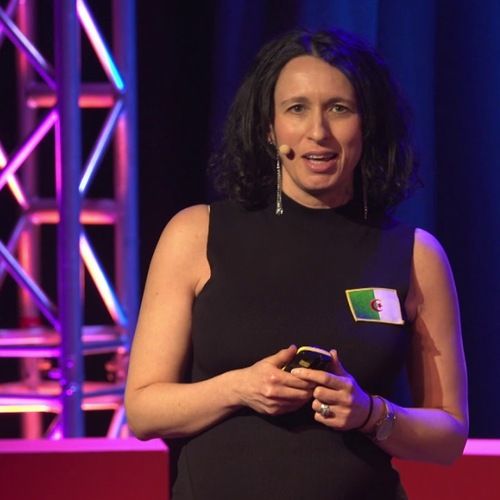 £50/hr
Samia T
Qualified Teacher | Maths Tutor | 22+ Years in Mathematics Education
 £67/hr
Michelle N
Former Headteacher | Expert Maths Tuition from an Examiner with 23+ Years’ Experience
Next available: Tomorrow 12:30pm
Contacted by 2 families this month
 £25/hr
Javeria M
Qualified Teacher | Maths Tutor | GCSE and SEN Support | Clear, Confidence-Building Lessons
Contacted by 2 families this month
Usually replies within 2 hours
 £55/hr
Antony N
Former Head of Secondary & Maths Examiner | 15+ Years Building Confidence in Maths & Stronger Results
Next available: Today 1:30pm
Contacted by 3 families this month
Usually replies within 2 hours
 £60/hr
Vandana C
Teacher with 29 Years’ Experience | Inclusive Maths Lessons That Build Confidence
Supporting dyscalculia in KS3 Maths
Connections that are worth making
From arithmetic to algebra
Use a missing-number statement to discuss an unknown before introducing a letter. Explain what stays the same when the notation changes.
From fractions to proportion
Explore equal parts and equivalent quantities with a consistent representation, then connect these to a simple ratio.
From a picture to a method
Keep the diagram beside the written calculation. Ask your child to explain where each number comes from.
A focused review with your child
| Question | Why it helps the conversation |
|---|---|
| Which step first feels uncertain? | This can reveal a smaller starting point than the whole topic. |
| Can you show the idea another way? | A picture or example may make the reasoning easier to discuss. |
| Would this method work with different numbers? | A fresh example checks understanding beyond a remembered answer. |
Build confidence through evidence of progress
Keep a short record of ideas your child can now explain or tasks they can begin independently. Revisit these alongside new work. A tutor can coordinate practice with the school’s current topic while reserving time for number foundations, so support feels connected to the classroom.
Frequently asked questions
Is Key Stage 3 too early to think about GCSE Maths?
KS3 is a useful time to strengthen ideas that later Maths builds on. The immediate focus should still be the right next step for your child, not rushing through GCSE papers.
Does a tutor diagnose dyscalculia?
Tutoring is learning support, not automatically a diagnostic service. Ask about qualifications separately if you need an assessment.
What should we ask in an introduction?
Bring an example of schoolwork and ask how the tutor would approach it. The free 15-minute introduction is also a chance to discuss reported experience, pace and goals.
Further reading
Ready to find your tutor?
Book a free 15-minute introduction — meet your tutor and discuss your goals.