Primary English Tutors Online
Primary English tutor rates: £20–£50 per hour
Primary English covers a wide range of skills, from learning to blend sounds and read simple sentences in Year 1, through to writing for different purposes and understanding complex texts by Year 6. Some children need extra time to consolidate what they are learning at school, while others are ready for greater challenge and richer reading. Whether your child is finding a particular area difficult, needs a steady space to catch up, or simply wants to develop their confidence with words, a good primary English tutor can make a genuine difference. Lessons take place in Klasu's built-in online…
Top English tutors

Charmian D
14+ Years’ Experience | Personalised English Tuition for Every Learner
Primary English Tutor
From £35/hour
★ 5.0/5 from 1 review
SEN Specialist

Jane B
Qualified English English Teacher | 22 Years Helping GCSE, IGCSE & SEND Learners Thrive
Primary English Tutor
From £45/hour
DBS Checked • Qualified Teacher (QTS) • Examiner • SEN Specialist

Nicole R
Patient English Tutor | Essay Writing, Analysis and Exam Support
Primary English Tutor
From £30/hour
DBS Checked • SEN Specialist

Christy J
Trainee Primary Teacher | Personalised English Tuition with 4+ Years’ Experience
From £20/hour
DBS Checked

Michelle N
Former Headteacher | Expert English Tuition from an Examiner with 23+ Years’ Experience
Primary English Tutor
From £50/hour
DBS Checked • Qualified Teacher (QTS) • Examiner • SEN Specialist

Tom D
Qualified Teacher | Personalised English Tuition Backed by 14+ Years in Education
Primary English Tutor
From £30/hour
Qualified Teacher (QTS) • SEN Specialist

Tara M
5+ Years’ Experience | English Tutor | Confidence & Stronger Exam Skills
Primary English Tutor
From £30/hour
DBS Checked • SEN Specialist

James B
Qualified Teacher | English Tutor | 20+ Years’ Experience
Primary English Tutor
From £40/hour
DBS Checked • Qualified Teacher (QTS) • SEN Specialist

Lavine O
Qualified Primary Teacher | English Tutor | 5+ Years Helping Children Thrive
From £35/hour
DBS Checked • Qualified Teacher (QTS)
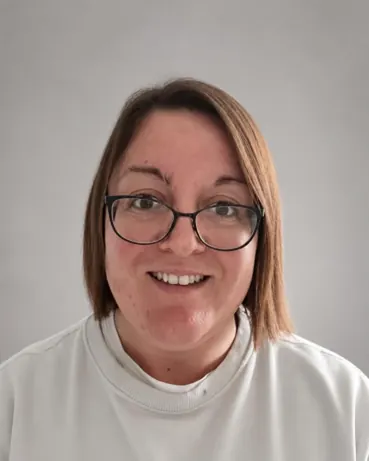
Claire W
Qualified Teacher | English Tutor | 12+ Years Making Learning Enjoyable
Primary English Tutor
From £20/hour
DBS Checked • Qualified Teacher (QTS) • SEN Specialist

Beatrice A
Patient English Tutor | Visual Lessons and SEN-Aware Support
Primary English Tutor
From £20/hour
SEN Specialist

Idiat A
QTS English Tutor | 16+ Years Making Complex Concepts Clear and Building Confidence
Primary English Tutor
From £25/hour
DBS Checked • Qualified Teacher (QTS) • SEN Specialist
Why choose Klasu
At Klasu, we connect students with expert English tutors to build understanding and confidence. Whether you're preparing for English exams or looking for extra support with your studies, our personalised online lessons help you achieve your goals.
Ace Your English Exams
Preparing for exams can be stressful and overwhelming. Klasu is here to help you master your English studies and feel confident on exam day.
Whether you're tackling GCSE English or A-Level English, we have the tools and expertise to help you succeed.
Explore our tuition services
Are you searching for a competent and dedicated English tutor for your child or perhaps to enhance your understanding and confidence in the subject? Our expert tutors are here to help you deepen your knowledge, ace exam preparation, and unlock your full potential in English. With private lessons online tailored to your schedule, we ensure a flexible and focused approach to learning. Take the first step toward boosting your confidence and improving your English grades today.
Finding the right Primary English tutor can make all the difference in academic success. Klasu's online tutors specialise in Primary English and plan personalised one-to-one lessons around your syllabus and target grade.
Whether you're preparing for Primary English exams, need help with homework, or want to deepen your understanding, our tutors provide personalised one-to-one lessons tailored to your learning style and target grade.
Exam boards we cover
- National Curriculum (England)
- Primary English in England follows the national curriculum programmes of study, which set out what pupils should learn in reading, writing, spoken language, grammar, punctuation and spelling across Years 1 to 6. Schools have flexibility over how and when they sequence content within each key stage.
- Curriculum for Wales (Primary)
- In Wales, primary English literacy is part of the Curriculum for Wales, which takes an integrated approach to languages, literacy and communication. Schools have considerable flexibility in how they plan and deliver learning.
- Northern Ireland Curriculum (Primary)
- Primary schools in Northern Ireland follow the Northern Ireland Curriculum, where language and literacy is one of the six areas of learning. It covers talking and listening, reading and writing throughout primary education.
Topics covered
- Phonics and Early Word Reading
- Phonics teaches children how spoken sounds connect to written letters and letter groups. Pupils learn to blend sounds together to read words and to break words apart when spelling. A tutor can work through the correspondences a child has already been taught at school, identify any gaps, and give focused practice with blending and segmenting in a calm, unhurried setting.
- Reading Fluency
- Fluency is about reading with enough accuracy and ease that a child can focus on meaning rather than simply getting through each word. A fluent reader notices punctuation, uses appropriate phrasing and keeps track of what they have read. Tutoring may involve reading aloud together, revisiting familiar texts and choosing books at a comfortable level.
- Reading Comprehension
- Understanding a text involves much more than locating facts on a page. Pupils develop skills in recalling information, making inferences, explaining a character's behaviour, predicting what might happen, summarising and using evidence. A tutor can guide a child through different types of question and help them think carefully about what a text is actually saying.
- Vocabulary
- A broad vocabulary supports reading, writing, speaking and learning across all subjects. Tutoring can help children explore word meanings in context, understand how words change form, and build a richer range of language to draw on. This is approached through discussion, reading and using new words in their own sentences rather than simply memorising definitions.
- Spelling
- Spelling draws on phonics knowledge, understanding of word patterns, prefixes, suffixes and root words, as well as familiarity with common exception words. A tutor can identify which areas a child finds tricky, work on the underlying patterns and help them apply correct spellings within their own writing rather than only in weekly tests.
- Handwriting
- Legible, fluent handwriting helps children record their ideas without it becoming a barrier to composition. Tutoring can support letter formation, consistent sizing, spacing and joining where appropriate. Where handwriting difficulties are significant or persistent, a tutor can flag that the family may also want to speak with the school.
- Sentence Construction and Grammar
- Writing clear, complete sentences is a skill that develops gradually throughout primary school. Pupils learn to express a whole idea, use conjunctions to join thoughts, vary their sentence structures and apply punctuation accurately. A tutor can help a child rehearse sentences aloud, practise editing their own work and understand how grammar supports meaning rather than treating it as a set of rules to memorise.
- Creative Writing and Composition
- Composition covers the full process of producing a piece of writing, from generating and discussing ideas through to drafting, revising and editing. Pupils write stories, descriptions, poetry, letters, instructions and many other forms. A tutor can support a child who has plenty of ideas but struggles to organise them, as well as one who writes accurately but wants to develop a more distinctive voice.
- Non-Fiction Writing
- Primary pupils write for a wide range of purposes beyond stories, including explanations, reports, recounts, persuasive texts and information writing. Each form has its own features and requires a different approach to planning and organisation. A tutor can help children understand what a particular type of writing needs and how to adapt their language for different readers.
- Spoken Language and Communication
- Speaking and listening are woven through all areas of primary English. Pupils develop skills in explaining ideas, retelling events, asking questions, taking part in discussion and presenting their thinking clearly. Oral work also supports writing, since rehearsing a sentence aloud before writing it down can help children form more complete and confident written sentences.
How Primary English Progress Is Measured
Primary English in England is not assessed through the kind of graded examinations used at GCSE or A-level. Instead, teachers assess pupils against national curriculum expectations throughout the year, and statutory assessments take place at certain points, including the phonics screening check in Year 1 and the reading and grammar, punctuation and spelling assessments at the end of Year 6. In Wales and Northern Ireland, schools follow their own curriculum frameworks with different assessment arrangements. What matters most at primary level is whether a child is developing the literacy skills they need to access learning across all subjects and to build on as they move through school.
Pupils who are working at the expected standard for their year group have a secure grasp of the reading, writing and spoken language skills set out in the curriculum. Those working at greater depth are able to apply their knowledge with more independence, precision and sophistication. For example, a child working at greater depth in writing might choose vocabulary with real care, vary their sentence structures purposefully and edit their work thoughtfully rather than simply correcting obvious errors.
A tutor can help in several ways, whether a child is working towards the expected standard, consolidating what they already know or ready for something more challenging. Individual lessons allow a tutor to focus on exactly the areas that matter most for that particular child, at a pace that suits them, without the pressures of a busy classroom.
Top study tips
- Read regularly and widely, not only fiction. Information books, poetry, newspapers written for children and other formats all build vocabulary and background knowledge that supports comprehension.
- When practising spelling, focus on understanding the pattern or rule rather than only memorising the word. Applying a spelling correctly in a sentence is more useful than getting it right in an isolated list.
- Before writing, talk through ideas. Saying a sentence aloud first can help a child hear whether it makes sense and feel more confident putting it on the page.
- Rereading written work aloud is one of the most effective ways for a child to notice missing punctuation, incomplete sentences or places where the meaning is unclear.
- Do not rush through a book to reach the end. Pausing to discuss what has happened, what a word means or what might happen next builds the thinking habits that support comprehension.
Why Consider a Primary English Tutor?
- Individual attention makes a difference
- In a classroom, a teacher is responsible for the whole group. A tutor can give your child their full attention, listen carefully to how they read, look closely at their writing and ask questions that reveal exactly where the difficulty lies. That kind of focused observation is hard to replicate in a busy school day.
- Small gaps can grow if they are not addressed
- English skills build on one another. A child who is uncertain about blending sounds may find spelling more difficult. A child with limited vocabulary may struggle to understand a text even when they can read the words accurately. Addressing a gap early, before it affects other areas of learning, is usually easier than catching up later.
- Not all children who need support are falling behind
- Some parents seek a tutor because their child is progressing well but ready for more. A tutor can introduce richer texts, explore more ambitious vocabulary, support creative writing projects or provide the kind of extended literary discussion that is difficult to fit into a school timetable.
- Homework and school tasks can become less stressful
- English homework can be a source of tension at home, particularly when parents are unfamiliar with the way a skill is currently being taught. A tutor can explain the underlying idea, guide your child through it and help them feel more capable of tackling similar tasks independently.
- A good tutor can help rebuild a child's willingness to try
- A child who has decided they are not good at reading or writing may avoid tasks, rush through them or become upset. Working one-to-one with a patient tutor, at a pace and level that feels manageable, can gradually shift that picture. This is not about quick fixes, but about giving a child enough positive experience to stay engaged.
What to Look for in a Primary English Tutor
- Experience with primary-aged children
- Teaching a seven-year-old requires different skills from teaching a teenager. Look for a tutor who has worked with children in the year group your child is in, understands how literacy develops at that stage and knows how to keep younger pupils focused and involved during a lesson.
- A good understanding of how reading and writing develop
- Primary English covers a broad range of skills, and a strong tutor will understand that reading involves both decoding and comprehension, that writing involves both transcription and composition, and that these areas are connected. They should be able to identify where the actual difficulty lies rather than applying a one-size approach.
- Knowledge of phonics
- If your child is in the earlier years of primary school or still developing their decoding skills, phonics knowledge matters. A tutor who understands how sounds and letters connect, how blending works and how to work alongside the programme your child's school uses will be better placed to help without causing confusion.
- Clear communication and patience
- A good primary tutor explains things clearly, adjusts their approach if something is not working and gives a child time to think. They should make the child feel comfortable asking questions, making mistakes and trying again. Check tutor profiles and reviews to get a sense of their communication style before booking.
- A free introductory call before committing
- Klasu offers a free 15-minute introductory call so you can speak with a tutor before booking paid lessons. Use this to explain your child's year group, current schoolwork and any specific concerns. It also gives your child a chance to get a sense of the tutor before the first proper lesson.
Career paths
Strong literacy skills developed during primary school lay the groundwork for almost everything that follows. The habits of reading carefully, expressing ideas clearly and communicating with confidence are useful in every subject at secondary school and beyond, and they remain valuable throughout working life.
- Further study across all subjects
- Reading, writing and communication are central to learning in every subject, not just English. A child who reads with understanding, writes clearly and can explain their thinking is better placed to access history, science, geography and every other area of the curriculum as they move through school.
- Creative and media industries
- Careers in writing, journalism, publishing, broadcasting, advertising and the creative arts all draw on the ability to use language precisely and imaginatively. The habit of reading widely and writing thoughtfully, developed during primary years, supports this kind of work.
- Law, politics and public service
- These fields require the ability to read complex material carefully, construct a clear argument and communicate persuasively. The foundations of these skills begin much earlier than most people realise, in learning to express a complete idea, support a point of view and listen to others.
- Education and working with children
- Teaching, early years work, speech and language therapy and other roles involving children all require strong communication skills and a good understanding of how language develops. A child who develops a genuine interest in reading and writing may find these areas naturally appealing later on.
- Science, technology and research
- Written communication matters in technical fields too. Scientists write reports, researchers produce papers and engineers document their work. The ability to explain complex ideas clearly and accurately is a professional skill that begins with learning to write well at primary school.
- Business and professional life
- Almost every professional role involves reading, writing and spoken communication in some form. Whether drafting an email, presenting to colleagues or understanding a contract, the clarity and confidence that come from a secure grounding in English continue to be useful throughout a person's career.